Provincial Licensing Shifts and Their Effects on App-Based Tournament Structures for Regional Players
Written by Dana Carter · Aug 19, 2026
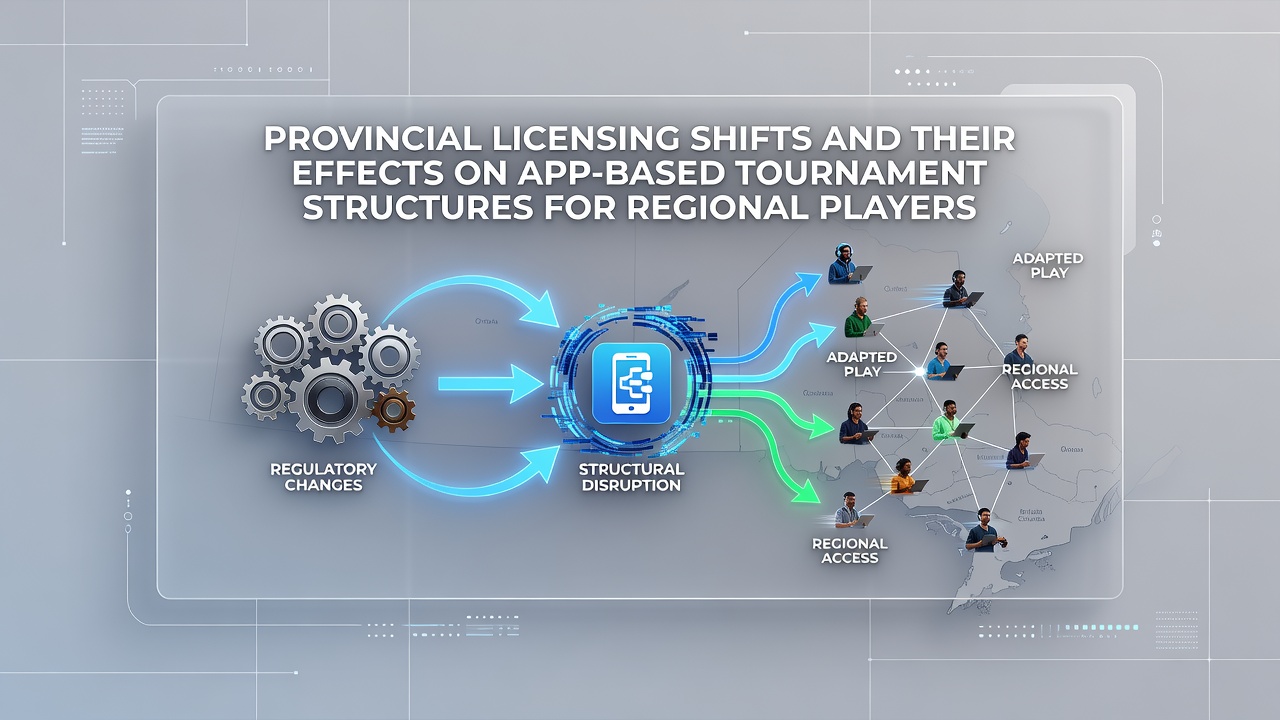
Provincial Licensing Shifts and Their Effects on App-Based Tournament Structures for Regional Players
Provincial authorities across multiple jurisdictions have introduced updated licensing requirements that reshape how app-based tournament platforms function for participants in specific regions, and these adjustments influence everything from operator eligibility to player registration processes while data from regulatory bodies indicates measurable shifts in participation patterns. Researchers tracking these developments note that provinces such as Ontario and British Columbia have refined their frameworks to address cross-border operations, which in turn affects how apps structure brackets, prize pools, and regional qualifiers.
Background on Evolving Licensing Frameworks
Over the past several years licensing models have moved away from broad approvals toward more segmented rules that separate single-province operations from multi-jurisdictional apps, and this transition stems from efforts to balance consumer protection standards with revenue oversight as outlined in reports by the Alcohol and Gaming Commission of Ontario. Operators must now secure distinct certifications for each province where they offer tournaments, which creates layered compliance demands that previously allowed more uniform national rollouts.
Regional players encounter these changes through altered login flows and location verification steps that determine which events appear in their app interfaces, while figures from industry analyses show corresponding adjustments in average session durations and entry volumes across different provinces.
August 2026 Implementation Timeline
New provisions set to activate in August 2026 will require apps to demonstrate province-specific server segregation for tournament data handling, and this requirement builds on existing pilot programs already underway in select areas. Those provisions also mandate enhanced reporting on player demographics within each licensed region, which allows regulators to monitor compliance more closely than earlier annual reviews permitted.
App developers have responded by updating their backend architectures ahead of the deadline, and preliminary testing indicates these modifications will standardize how regional qualifiers feed into larger national-style brackets without violating local rules. Observers tracking the rollout note that similar staggered implementations in other provinces have produced gradual rather than abrupt changes in user access.
Adjustments to App-Based Tournament Structures
Tournament formats have adapted through revised seeding algorithms that prioritize players from the same licensed province during initial rounds, and this approach reduces administrative friction while satisfying geographic restrictions embedded in the new licenses. Prize distribution models now incorporate province-level caps that reflect local regulatory limits on total payouts, which forces apps to recalibrate leaderboards and final tables accordingly.
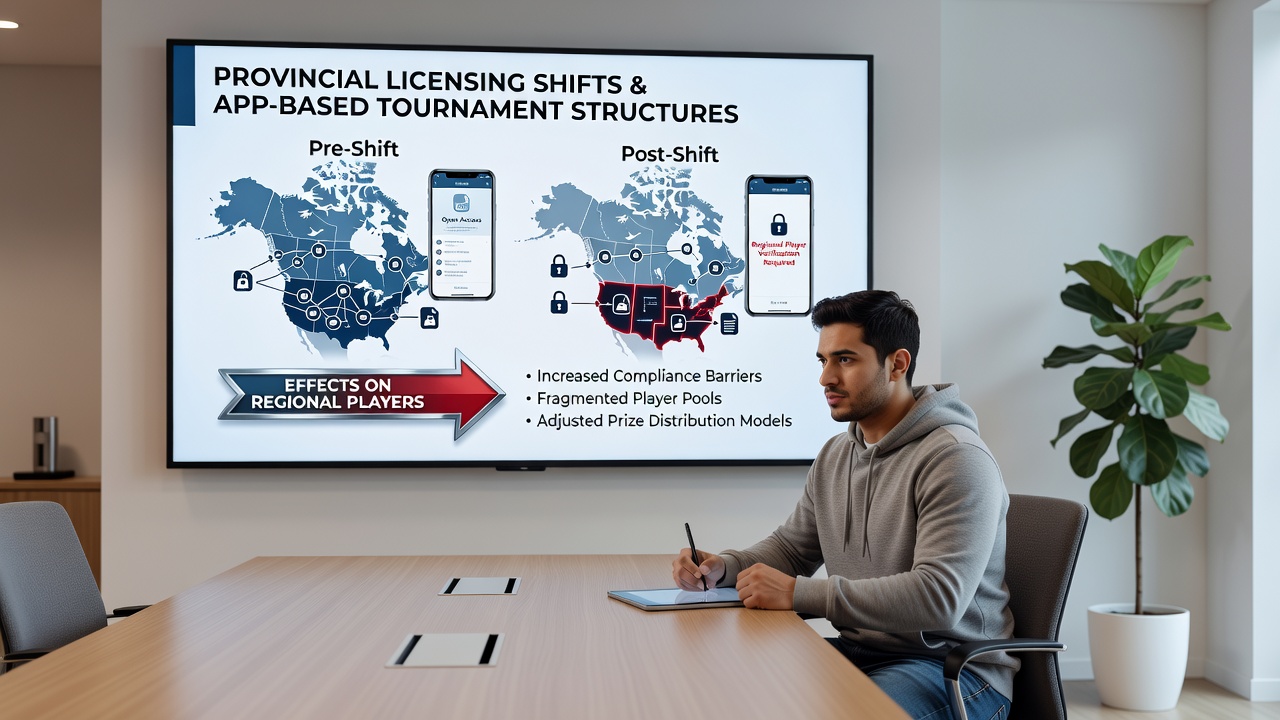
Regional participants report encountering more frequent prompts for address verification before joining events, yet the overall number of available tournaments has remained stable in provinces with mature licensing regimes according to statistics compiled by the New Jersey Division of Gaming Enforcement in comparable cross-jurisdictional studies. Apps have introduced filters that surface only compliant events for each user's verified location, and this feature integrates directly with the licensing conditions that govern daily operations.
Impacts on Regional Player Access and Participation
Players located outside major urban centers experience the licensing shifts most directly through modified eligibility windows for qualifiers, and these windows align with provincial boundaries rather than broader time zones. Research compiled by the Australian Institute of Criminology highlights parallel patterns where segmented licensing correlates with steadier participation rates among regional users once verification systems stabilize.
Entry fee structures have been recalibrated in some apps to account for varying tax obligations imposed by different provinces, which means regional competitors sometimes face different net costs for the same nominal buy-in compared with their counterparts in adjacent areas. Data tracking services indicate these cost variations have prompted modest migrations toward apps that offer clearer province-specific pricing displays.
Operator Compliance Strategies
Companies operating app-based platforms have invested in modular software updates that allow quick reconfiguration of tournament rules when a new province finalizes its licensing terms, and this flexibility has become a competitive advantage during the transition period leading into August 2026. Partnerships with local compliance consultants have increased, as operators seek guidance on aligning their bracket designs with each province's unique stipulations on player age verification and responsible gaming features.
Case studies from operators who completed similar transitions in earlier phases demonstrate that regional players maintain consistent engagement levels when apps provide transparent explanations of why certain events appear or disappear from their dashboards. Those same studies further reveal that integrated help sections addressing licensing questions reduce support ticket volumes over time.
Conclusion
Provincial licensing shifts continue to drive targeted modifications in how app-based tournaments accommodate regional players, and the August 2026 milestones will likely accelerate standardization across remaining jurisdictions. Available evidence from regulatory reports and academic sources shows these changes produce measurable effects on access patterns, format adjustments, and compliance overhead without eliminating opportunities for participation. Ongoing monitoring by oversight bodies will determine the long-term balance between regulatory goals and platform functionality for users across diverse geographic areas.